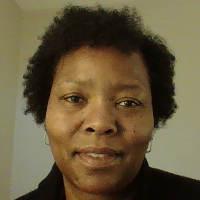
About Connie
Connie Morris greets visitors with a calm, straightforward style. She is a licensed professional counselor in Georgia and focuses on helping people who are dealing with stress, anxiety, addictions, anger, low self-esteem, depression, relationship friction, trauma, grief, bipolar symptoms, life changes, and ADHD. Her tone is warm and nonjudgmental, aiming to make conversations feel safe and practical.
Connie uses clear, goal-oriented methods that help people notice patterns and try new ways of coping.
Background and approach
She leans on cognitive behavioral ideas alongside a client-centered attitude, so sessions combine skill-building with listening. Motivational interviewing and solution-focused techniques are used when people want concrete steps and faster forward momentum. Her work emphasizes small, useful changes rather than only talking about problems.
Sessions often include identifying unhelpful thoughts, testing different behaviors, and setting simple goals between meetings. For people recovering from trauma, she brings trauma-focused strategies to address painful memories at a pace the person can handle. Connie has three years of recorded experience as a counselor and holds the LPC credential.
In Georgia she offers sessions by video call, phone, live chat, or text-based messaging, which lets people pick what fits their day. Sessions are scheduled through the site and use a subscription model that can be canceled at any time. To begin, a person completes a short matching questionnaire and then schedules according to the therapist's availability.
Connie aims to partner with each person to find workable steps toward better daily functioning and emotional relief.
Approaches that guide online sessions
Client-centered therapy focuses on listening closely and responding with empathy so the person feels heard. It helps people sort out values, decide what matters, and build motivation to change. Cognitive behavioral therapy, or CBT, looks at how thoughts and behaviors interact and teaches practical skills to reduce anxiety, depression, and stress by changing unhelpful thinking and trying new actions.Finding the right approach is part of the work. Connie will talk with each person about their goals and preferences, and then try techniques that fit. That collaborative process means methods can shift over time based on what helps most in day-to-day life.
Online formats include video calls, phone sessions, live chat, and text-based messaging so people can pick what suits their schedule. Video calls are good when visual cues matter and a fuller conversation is needed. Phone sessions can be a shorter check-in or easier when bandwidth is limited. Live chat and text messaging let someone send updates or brief check-ins between meetings. These options make it easier to fit counseling into a busy life while using the chosen therapeutic approaches to work on concrete changes.
Questions people ask
What concerns does Connie commonly address?
What is her approach to therapy?
What background and experience does she have?
What credentials and location are listed?
Are sessions offered in other languages or internationally?
Which session formats are available?
How is cost handled for sessions?
How do I start working with her?
What this counselor works with
Most often
- Stress, Anxiety
- Addictions
- Anger management
Also listed
- ADHD
- Bipolar disorder
- Coping with life changes
- Depression
- Family conflicts
- Grief
- Relationship issues
- Self esteem
- Trauma and abuse
Therapeutic approaches
- Experience
- 3 years
- Licensed
- Georgia
- Languages
- English