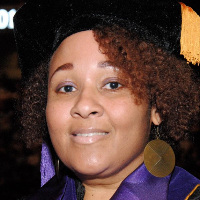
About Chantell
Dr. Chantell Scott is a licensed professional counselor practicing in Georgia with 15 years of experience in mental health. She focuses on practical support for stress, anxiety, depression, relationship and parenting concerns.
Her approach aims to make real changes feel possible and manageable for everyday life. She uses straightforward conversation and concrete steps in sessions. That can mean looking at thoughts and behaviors that keep problems going, trying new coping skills, or practicing mindfulness to calm the body and mind.
Background and approach
Sessions are shaped around each person's immediate needs and longer term goals. Dr. Scott brings experience with trauma and addiction-related concerns, grief, intimacy issues, sleep and eating problems, anger, and ADHD.
She also supports people facing career decisions, compassion fatigue, bipolar mood challenges, and other life transitions. The focus is on what is useful now rather than labels. Her style is warm and interactive, with an emphasis on respect and sensitivity.
She avoids shaming language and works to make therapy a space where people feel heard and understood. Clients can expect a collaborative tone and clear next steps between sessions. Sessions combine elements from client-centered work, cognitive-behavioral methods, mindfulness practices, motivational interviewing, and trauma-focused ideas.
Plans are individualized and adjusted as progress is made, so the work stays relevant to everyday life.
Approaches and online options that fit your life
Client-centered therapy emphasizes listening and following the person's lead to find what matters most. It helps when someone wants a supportive space to talk and figure out values, goals, and personal strengths. Cognitive behavioral therapy focuses on identifying the thoughts and behaviors that keep problems going and trying specific strategies to change them; it is often used for anxiety, depression, sleep and eating concerns, and managing strong emotions.Finding the right approach is part of the work. The therapist will talk with each person about their goals and preferences and choose or combine methods that seem most useful. That decision is collaborative and can be adjusted as progress is made.
Online formats include video calls, phone sessions, live chat, and text-based messaging, which make it easier to fit therapy around work, school, or family obligations. Phone sessions can be quicker check-ins or an alternative when bandwidth is limited. Live chat and messaging allow brief check-ins and ongoing support between longer sessions. These options give flexibility so people can keep therapy consistent even with a busy schedule.
Questions people ask
What concerns does she address?
What is her therapy style like?
How long has she practiced?
Where is she licensed and based?
Which languages are supported?
In what formats can sessions take place?
How does cost and payment work?
How do I begin therapy?
What this counselor works with
Most often
- Stress, Anxiety
- Relationship issues
- Family conflicts
Also listed
- Addictions
- ADHD
- Anger management
- Bipolar disorder
- Career difficulties
- Coaching
- Compassion fatigue
- Coping with life changes
- Depression
- Eating disorders
- Grief
- Intimacy-related issues
- Parenting issues
- Self esteem
- Sleeping disorders
- Trauma and abuse
Therapeutic approaches
- Experience
- 15 years
- Licensed
- Georgia
- Languages
- English