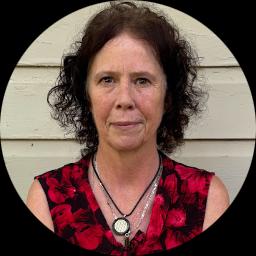
About Carolyn
Carolyn Evartt is a licensed professional counselor who practices in Texas. She brings ten years of experience helping people face addictions, family conflict, trauma and abuse, grief, and anger. Carolyn frames the work around each person's strengths and story.
She speaks English and accepts clients from outside the U.S. Carolyn believes clients already hold important strengths. She helps people name those strengths and use them to manage problems that feel overwhelming.
Background and approach
Sessions focus on practical steps and clear goals rather than jargon. Parents and worried partners will find short, direct conversations about next steps. In the room she listens first and asks what matters most to the client.
She then helps shape coping strategies that fit daily life. That can include ways to manage cravings, reduce reactivity, or make space for grief. Progress is steady work divided into manageable tasks.
Carolyn uses evidence-based therapeutic techniques to guide sessions while keeping the pace comfortable. She encourages small, achievable changes and checks progress regularly. People who prefer straightforward, supportive guidance tend to respond well to her approach.
Getting started involves a brief intake and a plan that matches a person’s needs and schedule. She works with people who want a practical path forward and a therapist who will listen carefully. Carolyn aims to make each session focused and useful.
Evidence-based approaches and online care
Carolyn uses evidence-based therapeutic techniques that focus on real problems and practical tools. One common method helps people build coping skills and change unhelpful patterns in daily life; it’s useful for anger management and addiction-related behaviors. Another approach emphasizes processing difficult events and strong emotions so grief and trauma feel less overwhelming; that work often involves paced reflection and grounding techniques.Choosing the right approach is a collaborative process. Carolyn listens to a person’s goals and preferences, then suggests methods that fit their situation. She adjusts strategies over time based on what’s working and what isn’t, so the plan evolves with the client.
Online therapy offers flexibility for people with busy schedules or who live far from a therapist. Video calls allow face-to-face conversation when visual cues help, while phone sessions use less bandwidth and can fit into a short break. Live chat and text-based messaging are useful for quick check-ins, written reflections, or when a person prefers typing over speaking. These options make it easier to keep therapy consistent and convenient.
Questions people ask
What concerns does she address?
How would you describe her therapy style?
What is her background and experience?
What credentials and location are listed?
Which languages and international options are supported?
What session formats are available?
How does cost and billing work?
How do I begin working with her?
What this counselor works with
Most often
- Addictions
- Family conflicts
- Trauma and abuse
Also listed
- Anger management
- Grief
- Experience
- 10 years
- Licensed
- Texas
- Languages
- English