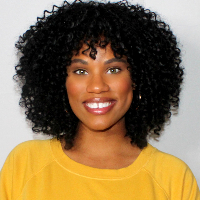
About Breo’na
Breo’na Troutman helps people facing relationship strain, anxiety, low self-esteem, parenting stress, ADHD challenges, mood concerns, and the effects of trauma and burnout. She greets clients with a warm, interactive style and a straightforward approach. Her tone is down-to-earth and she aims to make sessions feel natural rather than clinical.
Breo’na uses Cognitive Behavioral Therapy, often focusing on how thoughts shape feelings and actions. She blends that work with client-centered listening and practical problem-solving to help people notice patterns and try small changes.
Background and approach
Sessions tend to be collaborative and paced to each person’s comfort. With ten years of counseling experience, she draws on a mix of approaches to meet real-life problems. Motivational Interviewing can help people find reasons to change.
Emotionally-Focused Therapy supports understanding core emotions in relationships. She holds a Master of Science in Clinical Mental Health Counseling and is licensed as an LCMHC in North Carolina and as an LPC in Georgia. Her background includes a Bachelor of Science in Psychology from Wright State University in Dayton, Ohio, where she grew up.
People describe her sessions as relaxed and occasionally lighthearted, while still addressing serious concerns. She aims to help clients recognize strengths and build practical skills they can use between sessions. The focus is on steady progress and realistic goals.
Therapeutic approaches that translate well online
Client-Centered Therapy centers on listening and responding to what matters most to the person in front of the therapist. It helps people feel heard and clarifies goals they want to work toward. Cognitive Behavioral Therapy, or CBT, focuses on identifying unhelpful thoughts and testing small changes in behavior to reduce anxiety, depression, and stress. Emotionally-Focused Therapy looks at core emotions in relationships and teaches ways to express feelings that improve connection and reduce conflict.Finding the right approach is part of the process. The therapist works collaboratively to match methods to a person’s goals, needs, and preferences. That means trying strategies, checking what helps, and adjusting the plan together as progress is made.
Online sessions are offered by licensed professionals via video calls, phone sessions, live chat, and text-based messaging. Video calls are useful for a full conversation and visual cues. Phone sessions can fit a tight schedule or lower bandwidth needs. Live chat and text messaging are helpful for brief check-ins, homework support, or when someone prefers written conversation. These options give flexibility to use therapy around work, caregiving, or travel and make it easier to maintain continuity between sessions.
Questions people ask
What concerns does she help with?
What is her therapeutic style like?
What kind of experience does she have?
What credentials and location are listed?
Which languages are offered for sessions?
What session formats are available?
How does pricing work?
How do I begin working with her?
What this counselor works with
Most often
- Relationship issues
- Family conflicts
- Anger management
Also listed
- ADHD
- Bipolar disorder
- Career difficulties
- Compassion fatigue
- Coping with life changes
- Depression
- Parenting issues
- Self esteem
- Stress, Anxiety
- Trauma and abuse
Therapeutic approaches
- Experience
- 10 years
- Licensed
- North Carolina, Georgia
- Languages
- English