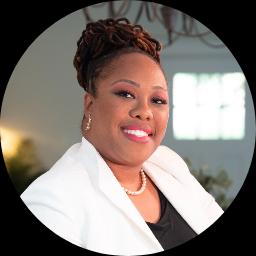
About Brenita
Brenita Seay is a Licensed Professional Counselor (LPC) practicing in Tennessee with 14 years of experience. She focuses on helping people who struggle with stress, anxiety, depression, trauma, and self-esteem. Brenita aims to make the first steps toward change feel manageable and supported for each person who reaches out.
She creates a calm, nonjudgmental space where people can talk about thoughts and feelings. Sessions are meant to be open and respectful so concerns can be discussed honestly.
Background and approach
She emphasizes practical steps alongside reflection so clients can try things between meetings. Brenita uses approaches that match a person’s needs rather than a one-size-fits-all method. She often draws from client-centered work to keep the session focused on the client’s priorities.
Cognitive Behavioral Therapy is used to identify unhelpful thinking and practice new behaviors. Mindfulness techniques may be introduced to help with stress and sleep problems, while narrative and psychodynamic ideas can help people make sense of persistent patterns. The therapist works with issues like relationships, parenting challenges, grief, anger, career stresses, bipolar concerns, ADHD, and intimacy-related problems.
She asks clients to respect session start times and allows a brief grace period before a missed session is recorded. Getting help can feel scary, and Brenita’s approach aims to make the process clearer and more manageable for the person taking that step.
Therapeutic approaches for online work
Client-Centered Therapy focuses on the client’s priorities and creates room for honest talk. It helps when someone needs a space to sort out feelings and decide on next steps. Cognitive Behavioral Therapy (CBT) looks at how thoughts, feelings, and actions interact and teaches practical skills to shift unhelpful patterns. CBT can be useful for anxiety, depression, sleep issues, and managing mood swings.Finding the right approach is a collaborative process. The therapist will listen to your goals and try different ways of working to see what fits. Together you will choose techniques that match your needs, preferences, and what feels doable between sessions.
Online formats include video calls, phone sessions, live chat, and text-based messaging, which offer real flexibility. Video lets you work face to face from another location. Phone sessions can be easier when bandwidth is limited or when you prefer not to be on camera. Live chat and text messaging make it possible to check in or get brief support when a full session is not practical. These options help people fit therapy into busy schedules and keep momentum between meetings.
Questions people ask
What concerns does she help with?
What is her therapy style like?
How much experience does she have?
What credentials and location apply?
Which languages are supported?
What session formats are available?
How are fees and payments handled?
How do I begin working together?
What this counselor works with
Also listed
- ADHD
- Anger management
- Bipolar disorder
- Career difficulties
- Coaching
- Coping with life changes
- Depression
- Family conflicts
- Grief
- Intimacy-related issues
- Parenting issues
- Relationship issues
- Sleeping disorders
Therapeutic approaches
- Experience
- 14 years
- Licensed
- Tennessee
- Languages
- English