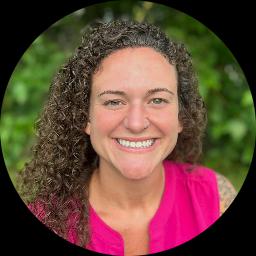
About Amanda
Amanda Cook helps people who are facing addictions, relationship strain, family conflict, anger, and low self-esteem. She greets new clients with a calm, nonjudgmental presence and focuses on practical steps they can try between sessions. Amanda holds MD and LCPC credentials and practices in Maryland.
Her approach centers on listening closely to each person’s story. She uses client-centered methods to reflect feelings and build trust. Motivational interviewing helps when change feels hard or overwhelming.
Background and approach
Sessions are conversational and goal-focused. Amanda works with clients to set small, realistic goals and to track progress over time. She also addresses communication problems, forgiveness, and feelings of guilt and shame.
Clients can expect straightforward guidance rather than jargon. Amanda offers tools for managing anger, for repairing or setting boundaries in relationships, and for reducing substance-related harms. She encourages practice between sessions to reinforce new skills.
Her background includes six years of professional experience in behavioral health settings. That experience shapes a practical, down-to-earth style aimed at helping people regain control and clarity. Prospective clients in Maryland can learn more about how sessions are structured and what to expect.
How Amanda’s Approaches Work Online
Amanda uses client-centered therapy to create an accepting space where clients are heard and understood; this approach focuses on reflecting feelings and building a strong working relationship to support change. Motivational interviewing is also part of her work and helps people clarify their goals, resolve mixed feelings, and find the motivation to try new behaviors.Choosing the right approach is a team effort. Amanda will talk with each person about goals and preferences and adapt techniques as progress is made. She emphasizes collaboration so that goals and methods match what a client wants to accomplish.
Online sessions are offered by video calls, phone sessions, live chat, or text-based messaging to make therapy more flexible. Video is useful for deeper conversations and visual cues, phone sessions work well when bandwidth is limited or a shorter check-in is needed, and chat or text can fit into busy days for brief updates or between-session support. These options help people fit sessions into work, caregiving, or travel schedules while keeping therapy consistent and practical.
Questions people ask
What concerns does Amanda commonly address?
What is her therapy style like?
How long has she been practicing?
What credentials does she hold and where is she based?
Which languages are supported for sessions?
Can people outside the United States work with her?
What session formats are available?
How does pricing and getting started work?
What this counselor works with
Most often
- Addictions
- Relationship issues
- Family conflicts
Also listed
- Anger management
- Communication problems
- Forgiveness
- Guilt and shame
- Self esteem
Therapeutic approaches
- Experience
- 6 years
- Licensed
- Maryland
- Languages
- English